
The forecast says bands of heavy rain, and by midnight the floor drain in the corner of the basement is breathing water. Across Union County this is the most predictable plumbing event of the year, and it is not your pipes' fault: the mechanism is municipal-scale, which is why understanding it is the first step to stopping it.
The Mechanism: When the Main, Not Your House, Is Full
A downpour drops more water than the ground can absorb, and storm systems carry it to treatment infrastructure that has a rated capacity. When flow exceeds capacity, mains surcharge: they fill, pressurize, and look for outlets at every low point. The lowest legal outlet on your property is the basement floor drain. Water does not need a hole in your pipe to appear there; it needs pressure behind a shared system, which is why two houses with identical plumbing can have one dry basement and one flooded one depending on elevation and lateral depth.
The scale of the background problem is real: the EPA estimates tens of thousands of sanitary sewer overflows nationally each year, in the range of 23,000 to 75,000 annually not counting backups into buildings, and rain-loading is a leading contributor. (Source language: EPA, Sanitary Sewer Overflows.) New Jersey's exposure compounds it: statewide precipitation averages run near 47.6 inches a year, concentrated in storms whose intensity keeps climbing. (Source language: NOAA-affiliated NJ State Climate Summaries.)
Why Elizabeth and Linden's Low Blocks Feel It Most
Where the municipal system is combined (carrying sewage and stormwater in one network), rain pressure is structural rather than occasional. Elizabeth operates a combined system documented by the New Jersey DEP, and its low-lying blocks take the pressure through floor drains first. Linden's own low sections toward the waterfront and Tremley Point see the same pattern during nor'easters, when groundwater adds to the load from below. Elevation is destiny in a storm; your plumbing quality mostly decides whether the water finds the drain or the joint.
The Fixes That Actually Work
| Defense | What it does | Best for |
|---|---|---|
| Backwater valve (check + gate pairing) | Blocks reverse flow from the main while allowing normal discharge | Storm-driven main surcharge, per FEMA guidance |
| Sump pump with battery backup | Removes groundwater and percolating water when power flickers | Low blocks, river-adjacent lots |
| Camera-verified lateral | Confirms joints and grade so stormwater is not entering your line directly | Every pre-1980 house, once |
| Downspout and grading discipline | Keeps roof and yard water out of the sewer's problem window | Every house, every year |
The federal standard for the valve question is clear: FEMA's flood-protection guidance for buildings recommends a combination of check valve and gate valve for the best protection against sewage backup. (Source: FEMA P-348.) That pairing is the conversation we have with every owner after a second preventable backup.
If the Water Is Already In
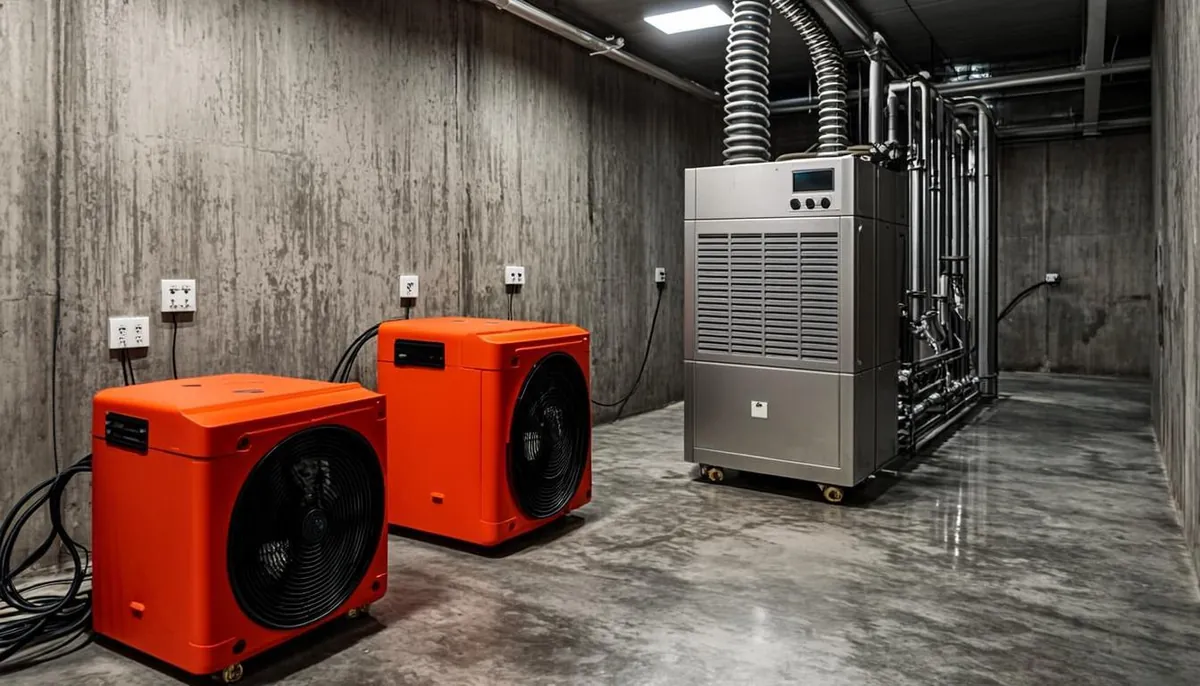
Sewage in a basement is a health event with a clock: federal mold guidance centers on drying everything within two days, which makes the first hours decisive. Extraction, sanitization and structural drying are the sequence, and the causing line gets cleared in the same visit so the next storm does not refill the room. Our backup cleanup crew runs that sequence 24/7, and the main line team clears the pipe that caused it. For landlords managing multi-family risk, the maintenance calendar lives in our landlord guide.
Experiencing a Slow or Backed-Up Drain in Linden or Union County?
Don’t wait for a costly flood. Call our 24/7 local drain specialists at (908) 663-0076 for immediate service. Rain in the forecast and a floor drain that has flooded before? Call before the storm and get the valve, pump and lateral plan that ends the season of wet basements.
Call 24/7: (908) 663-0076