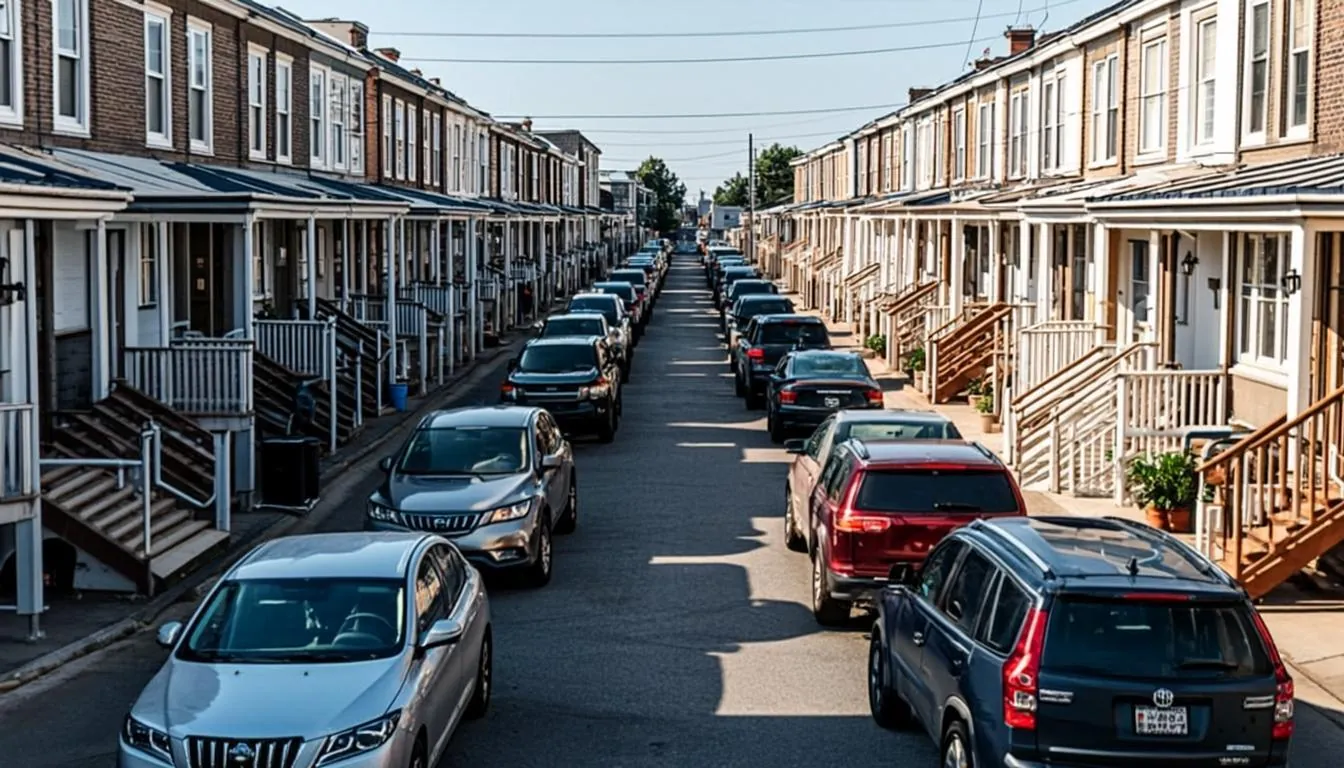
Run a two- or three-family house in Elizabeth or Linden and you are running one sewer line under three kitchens, six bathrooms and a basement someone does laundry in at midnight. Shared laterals in multi-family buildings fail differently than single-family ones: heavier, faster, and with three tenants asking whose fault it is. This guide is the operating manual our landlord clients wish they had on day one.
Why Multi-Family Lines Fail Faster
Load is the whole story. A single-family lateral sees a few dozen discharge events a day; a three-family sees triple that, with peak surges at breakfast and late evening when everyone's machines run at once. The grease from three kitchens stacks three times as fast, and one tenant's "flushable" wipes (they are not) catch on what the last tenant's grease left behind. The line does not apportion blame; it simply plugs, and the backup surfaces in the lowest, most shared space in the building.
The Maintenance Calendar
| Cadence | Action | Purpose |
|---|---|---|
| Every move-out | Camera check of the lateral plus fixture clears | Document condition between tenancies; catch growing root hair early |
| Twice yearly | Kitchen branch clearing on high-occupancy units | Stay ahead of grease stacking in shared branches |
| Yearly | Main line scope and jet as indicated | Restore full diameter; footage files the condition |
| Storm season | Sump and floor drain checks; backwater valve test | The storm-night backup is the most preventable kind |
The economics are one-sided: scheduled clearing and a yearly scope cost a fraction of one basement extraction, and the camera file doubles as evidence of diligent maintenance for insurance and municipal conversations alike.
Lease Language That Actually Helps
- Name the never-list: wipes, grease, paper towels down toilets or disposals, spelled out with examples; vague "no misuse" clauses do not survive a 2 a.m. argument.
- State the cost-allocation rule: backups caused by prohibited discharge bill to the responsible unit; tenants read rules with price tags attached.
- Require prompt reporting: a slow drain reported on Monday is a service call; reported on Friday it is a weekend emergency. Reward fast reports rather than punishing them.
- Reserve access: the right to schedule maintenance visits keeps the calendar enforceable.
The Elizabeth Factor: Combined Sewers and Storm Nights
Elizabeth operates a combined sewer system documented by the New Jersey DEP, and heavy rain can load municipal mains until basements take the pressure through floor drains. That risk is infrastructure-level, not tenant-caused, which changes the landlord's playbook: backwater valve protection and sump maintenance are building upgrades, and they price far below repeated storm-night extractions. The mechanism and the valve standard are laid out in our guide to rain-driven backups.
When to Escalate From Maintenance to Repair
A shared line that needs clearing more than twice a year is telling you something structural: roots, scale or a belly that clearing only postpones. The camera file makes that case with pictures. From there the choice is lining or replacement, both covered on our commercial and multi-family service page, with the scope documentation tenants, insurers and buyers all respect.
Water Moving the Wrong Way? We Answer Around the Clock
Describe what you are seeing and a dispatcher confirms a flat price tonight: (908) 663-0076, answered every hour of the year. Managing rentals in Elizabeth or Linden? Ask about multi-family maintenance programs: scheduled clearing, camera documentation and priority dispatch at tenant-proof hours.
Call 24/7: (908) 663-0076